Agriculture
Personal Protective Equipment
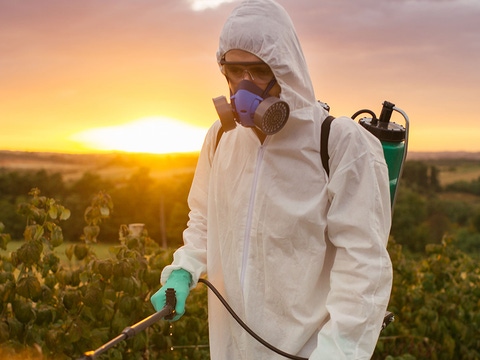
Personal Protective Equipment, “PPE” in short, refers to clothing and devices worn to protect the human body from contact with pesticides or pesticide residues. The main routes to pesticide exposure are skin, mouth and nose. Wearing adequate PPE can greatly reduce the potential for human exposure. PPE includes items such as coveralls, gloves, aprons, respirators, headgear and eyewear. Different crop protection products may require different PPE. Therefore, it is essential to read and follow the product label instructions and use the required PPE for each specific case.
If you want to learn more regarding our commitment to safety and PPE initiatives, visite our Global PPE Initiative page.


